
DIY Lock Maintenance Tips to Extend the Life of Your Locks


Understanding the Importance of Lock Maintenance
Locks are an essential part of home security, yet they often go overlooked until a problem arises. Regular maintenance can significantly extend their life and ensure they function properly when needed. By following a few simple DIY tips, you can keep your locks in top condition without professional help.
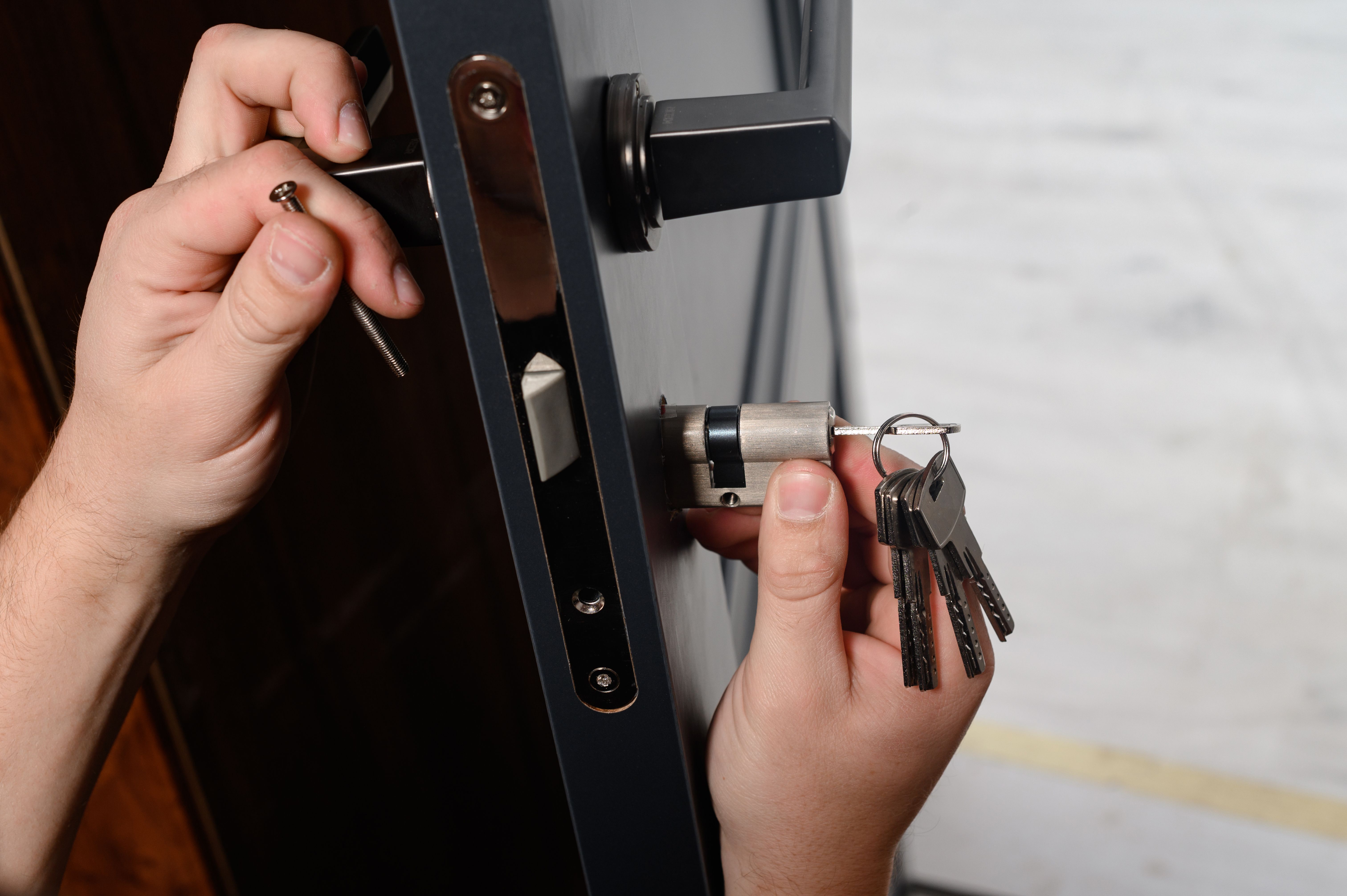
Regular Cleaning
One of the simplest ways to maintain your locks is by keeping them clean. Dirt and grime can accumulate over time, causing the internal mechanisms to stick. Use a soft, damp cloth to wipe down the exterior of your locks regularly. Avoid using harsh chemicals that may damage the finish.
Cleaning the Interior
For the interior, consider using a can of compressed air to blow out any dust and debris. This step is crucial for maintaining the smooth operation of the lock. Regular cleaning can prevent buildup that leads to functional issues.
Proper Lubrication
Lubrication is key to maintaining the smooth operation of locks. Use a graphite-based lubricant, as it is less likely to attract dust and grime compared to oil-based products. Apply the lubricant to the keyhole and work it in by inserting the key and turning it several times.
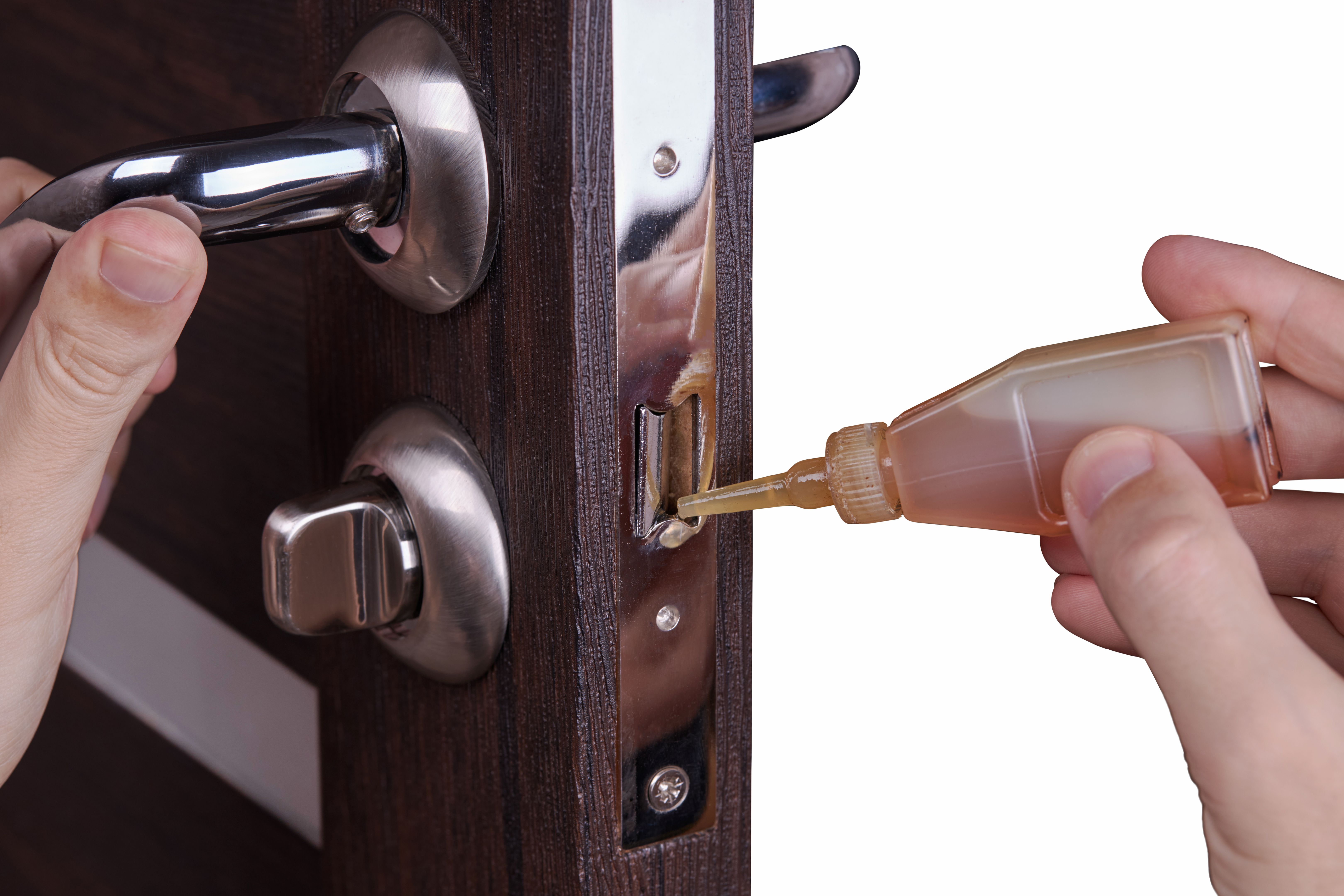
Avoid Over-Lubrication
While lubrication is important, over-lubricating can lead to problems. Too much lubricant can attract dirt, leading to clogs. Apply a small amount and wipe away any excess to maintain a clean lock.
Inspect for Wear and Tear
Regularly inspect your locks for signs of wear and tear. Look for any rust, corrosion, or damage to the lock mechanism and the door frame. Early detection of issues can prevent more extensive damage and costly repairs.
Check the Alignment
Misalignment can cause locks to function poorly. Check that the lock and the strike plate are aligned properly. If you notice any misalignment, adjust the screws or strike plate to ensure the lock operates smoothly.

Key Maintenance
Keys can also impact the longevity of your locks. Bent or worn keys can damage the lock mechanism. Inspect your keys regularly and replace them if they show signs of wear. Always use the correct key for each lock to prevent unnecessary damage.
Duplicate Keys
Having duplicate keys on hand is a good practice. Use only high-quality duplicates to ensure they don’t damage the lock. Avoid using a duplicate of a duplicate, as inaccuracies can accumulate, leading to a poor fit.
By incorporating these DIY tips into your routine, you can extend the life of your locks and keep your home secure. Regular maintenance not only saves money but also ensures the peace of mind that comes with knowing your locks are reliable and functional.